



Table of contents
- 1. Establish continuous visibility across your entire cloud and SAP estate
- 2. Align compliance frameworks early and automate reporting
- 3. Prioritize risk by business impact
- 4. Enable efficient remediation through AI-driven capabilities and integrations
- 5. Continuously monitor post-migration environments
- Key takeaway
As organizations migrate SAP workloads to the cloud, they’re not just moving applications—they’re redefining how business-critical systems are secured, monitored, and governed. While the benefits of scalability, flexibility, and innovation on platforms like AWS are undeniable, the migration process introduces new challenges that traditional, agent-based approaches struggle to manage.
Migrating SAP workloads to the cloud means rethinking visibility, compliance, and prioritization from the ground up. Below are best practices that help organizations strengthen their SAP migrations, and how leading cloud security platforms like Orca make these practices achievable.
1. Establish continuous visibility across your entire cloud and SAP estate
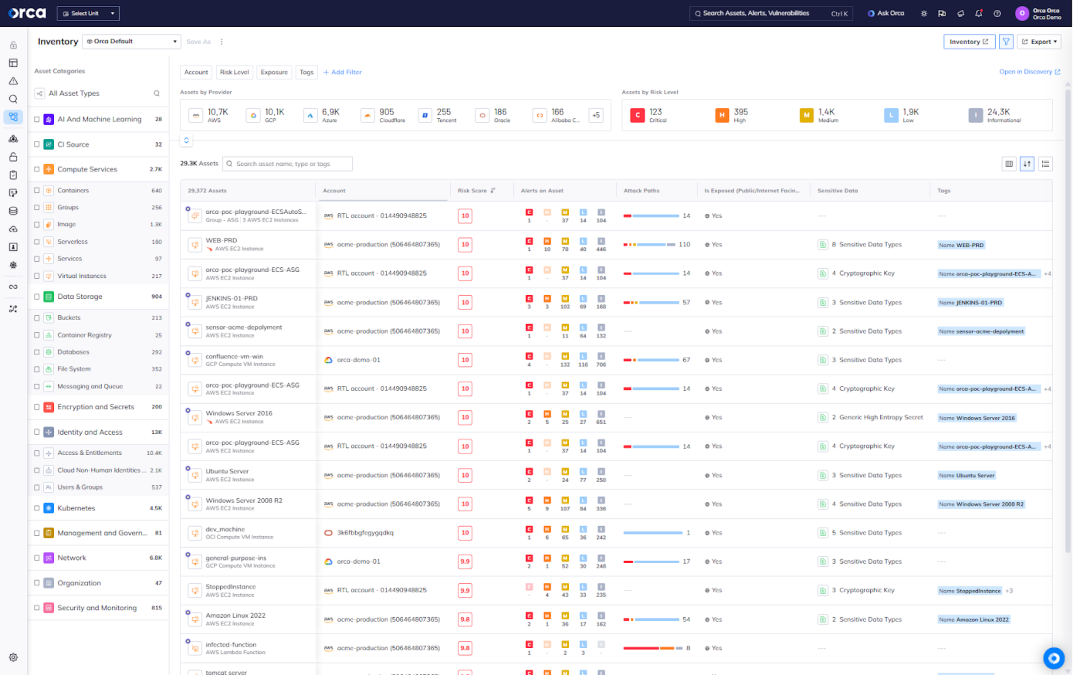
Successful migrations begin with visibility. You can’t secure what you can’t see. Organizations should focus on establishing full visibility across every layer of their cloud environments, which agentless technology can provide. Coverage should span security posture, workloads, at-risk sensitive data, identities and entitlements, container security, and more.
Additionally, organizations may want to gain real-time visibility and monitoring for their sensitive workloads. Heavyweight, agent-based technology requires significant operational overhead and isn’t a scalable solution. However, eBPF-based alternatives that use sensors can give the real-time visibility needed in a lightweight, easy-to-deploy option.
Importantly, full visibility is an essential requirement for a secure migration. This eliminates blind spots where risks may reside and creates the conditions for effective prioritization.
The Orca Cloud Security Platform provides agentless-first coverage across both SAP and cloud-native workloads. Our patented SideScanning™ technology delivers 100% visibility across your AWS environments, and continuously identifies every asset and related risk without requiring agents or affecting performance.
Secure Your SAP Migration with AWS and Orca Security

2. Align compliance frameworks early and automate reporting
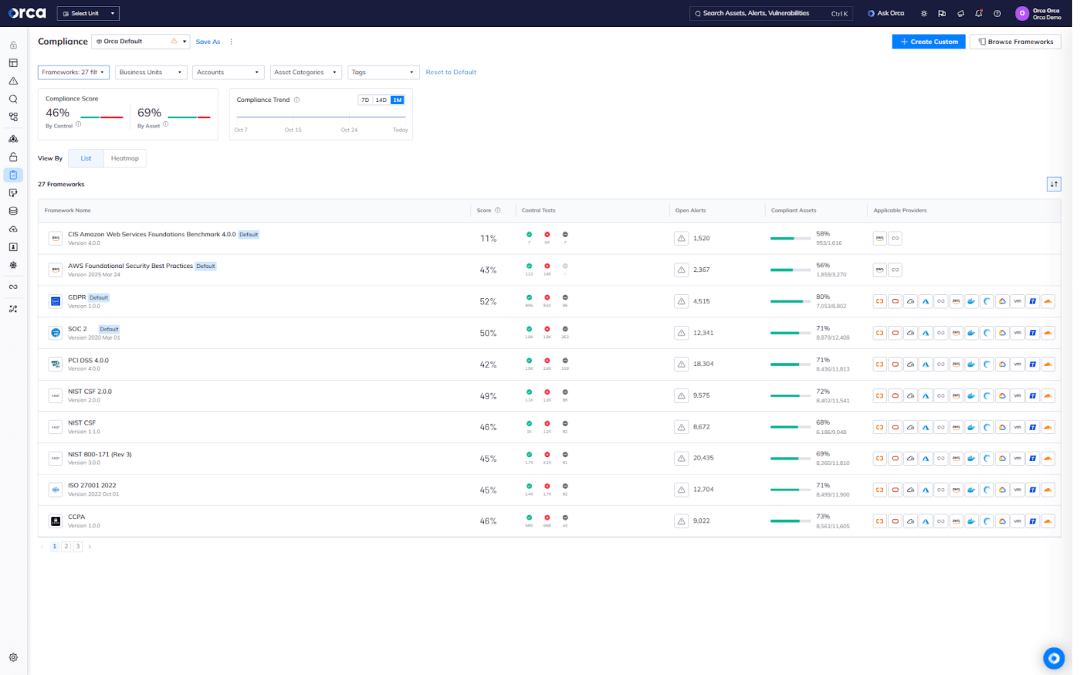
Regulatory compliance and audit readiness can easily derail migration timelines. Before and during migration, you need to establish an automated way to continually monitor, track, address, and report on your compliance status. Fortunately, some cloud security platforms offer native compliance capabilities, helping you meet major regulatory standards, industry regimes, and cloud provider frameworks—such as ISO 27001, SOC 2, and AWS best practices.
Continuous compliance monitoring ensures you can prevent audit failures or compliance violations.
Orca automatically and continuously maps
The Orca Platform supports continuous compliance with native capabilities. Orca automatically maps alerts to more than 185 built-in compliance frameworks, allowing you to track, manage, and report on your up-to-date compliance status at any time.
Our flexible remediation options, two-way integrations with ticketing systems, and automations make it fast and easy to address areas of non-compliance. Meanwhile, Orca also offers multiple ad hoc and recurring reporting options, ensuring you can stay audit-ready at all times.
3. Prioritize risk by business impact
One of the most common challenges during SAP migrations is alert fatigue. With so many moving parts, it’s easy for teams to become overwhelmed. Instead of treating every risk as a priority to address, best practice is to prioritize based on severity, with priority given to issues deemed critical.
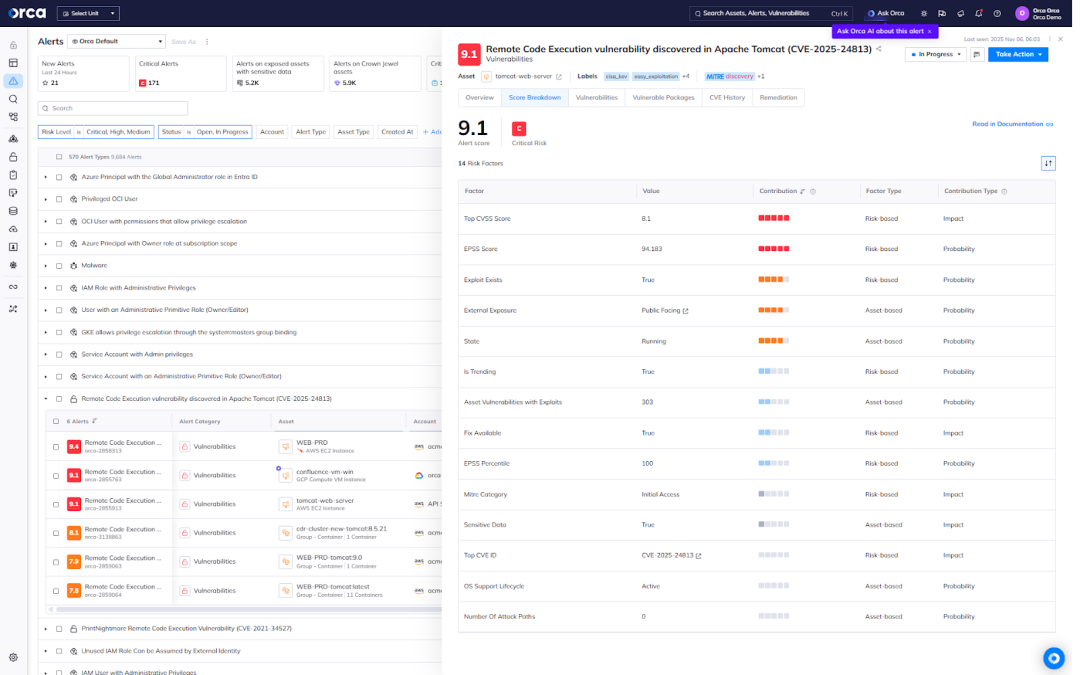
For effective prioritization, it’s important to assess each risk based on the probability of exploitation and the resulting business impact of that compromise—a task reserved for your cloud security platform.
Orca’s dynamic risk prioritization and scoring analyzes risks holistically and contextually to determine which ones are most critical for your teams to remediate. This includes a number of asset- and risk-based factors, such as exploitability, exposure, access to sensitive data, and more. Orca evaluates every risk based on the probability and impact of exploitation.
This dynamic risk prioritization goes beyond individual risks. Orca’s Attack Path Analysis, for example, surfaces the toxic risk combinations that attackers could exploit to endanger any of your high-value assets.
4. Enable efficient remediation through AI-driven capabilities and integrations
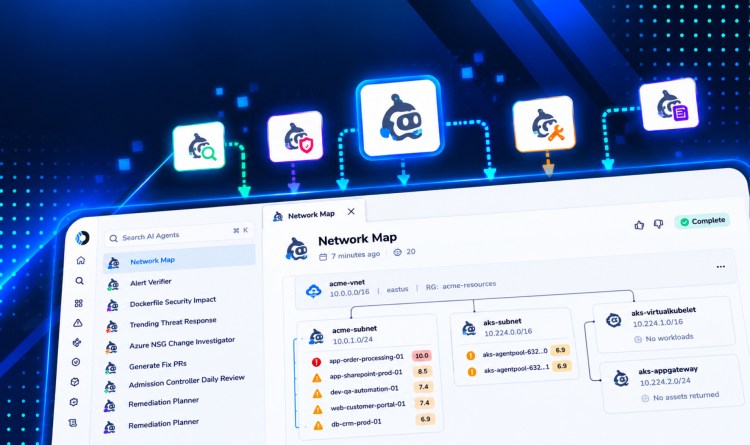
Speed matters when addressing the inevitable risks that surface in your cloud environments, as delays can open the door to compromise. That illustrates the importance of leveraging AI-driven remediation capabilities. In general, these produce remediation guidance that your teams can use to fix risks in your cloud before attackers can reach them.
Look for cloud security platforms that not only generate high-quality remediation code and steps, but offer two-way integrations with leading developer systems, including ticketing systems.
Fast, high-quality instructions and two-way integrations support fast remediation across the security teams who discover the risks and the development teams that fix them.
For every alert in Orca, you can generate AI-driven remediation steps and code, create a two-way ticket in systems like Jira or ServiceNow, and deliver this guidance to developers where they’re already working.

5. Continuously monitor post-migration environments
The job isn’t done once you’ve fully migrated. New assets spin up and down dynamically, and new vulnerabilities emerge every day. Continuously monitoring and securing your AWS environments ensures that post-migration drift or newly introduced risks don’t go unnoticed.
Because Orca’s coverage is agentless-first, it automatically detects new assets and changes across your cloud estate without requiring deployment updates. This ensures continuous protection as the environment evolves.
Key takeaway
Securing an SAP migration isn’t just about checking boxes. It’s about enabling a secure foundation for digital transformation. By focusing on continuous visibility, automated compliance, contextual risk prioritization, and fast and easy remediation, organizations can confidently migrate SAP workloads to the cloud without sacrificing security or agility.
About the Orca Cloud Security Platform
Orca offers a unified and comprehensive cloud security platform that identifies, prioritizes, and remediates security risks and compliance issues across AWS, Azure, Google Cloud, Oracle Cloud, Alibaba Cloud, and Kubernetes. The Orca Cloud Security Platform leverages Orca’s patented SideScanning™ technology to provide complete coverage and comprehensive risk detection.
Learn more
Interested in learning how Orca helps organizations secure their SAP workloads on AWS? Get your copy of the Secure Your SAP Migration with AWS and Orca Security ebook or schedule a personalized 1:1 demo.




 Chat with an Orca Expert