

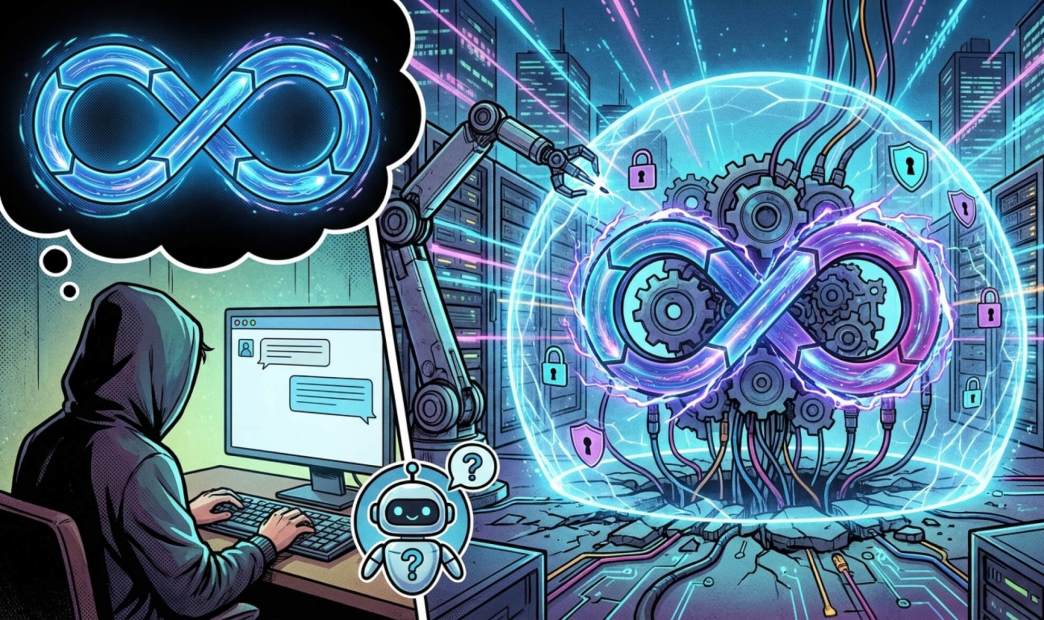

The Tool Becomes the Operator
AI is quietly moving from the chat window into the infrastructure itself. It is no longer just answering questions. It is writing code, interacting with APIs, responding to customers, and increasingly taking actions inside real systems.
This changes the security model. Once a system can execute actions, it is no longer just a tool. It becomes an operator.
Security teams have learned over the years that operators require boundaries. Domain admins, root accounts, service identities, customer support agents. All of them eventually required guardrails, monitoring, and strong authentication because unrestricted power inevitably leads to incidents.
AI agents are now entering that same category.
The AI Productivity and Human Context Gap
The productivity gains are real. AI can accelerate development, automate workflows, and help teams move faster. But anyone using AI regularly has seen its limitations. The model can produce answers that are technically correct yet completely detached from reality.
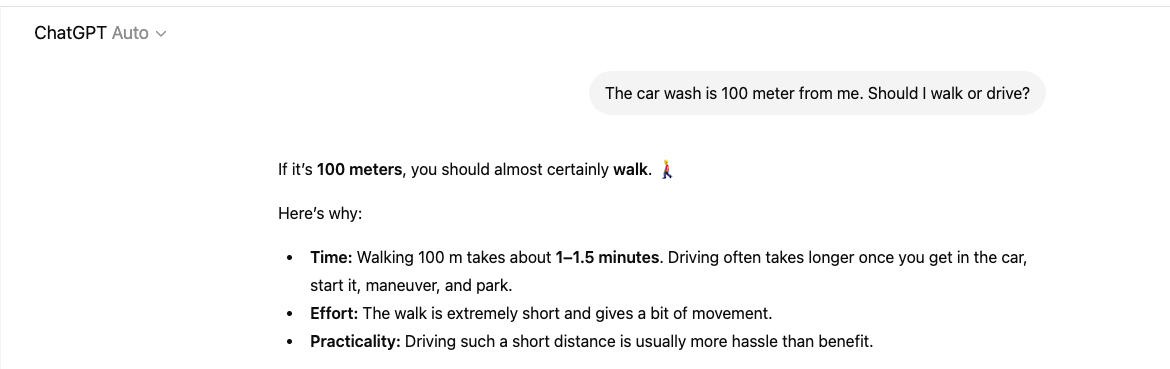
Humans filter information through judgment and business context. AI often does not.
Organizations expect employees to recognize when something makes no sense. AI systems tend to follow instructions. There are already examples where chatbots were convinced to sell an SUV for $0.01 after a user phrased the request persuasively enough. The model complied because the instruction seemed valid within the prompt.

Blurring the Controls Boundary
This behavior is not surprising when you consider how these systems work. Traditional secure system design relies heavily on separating control flow from data flow. Instructions define what the system is allowed to do, while data represents the information being processed. This separation is fundamental for security controls.
Large language models blur that boundary. Instructions, context, and user inputs often exist within the same prompt space. Data can influence behavior in ways developers did not anticipate. That is why prompt injection attacks are possible. The system may struggle to distinguish between trusted instructions and untrusted content.
Closing Thoughts
None of this suggests organizations should slow down AI adoption. The opposite is true. AI will likely become one of the most powerful productivity tools security teams have ever used. But once AI systems start interacting directly with infrastructure and production workflows, they need to be treated accordingly.
They should operate with defined permissions. Sensitive actions should require human verification. Their behavior should be observable and auditable.
AI is becoming an actor inside the environment. And actors inside business systems should never operate without boundaries and scrutiny.




 Chat with an Orca Expert