

Data and AI Security
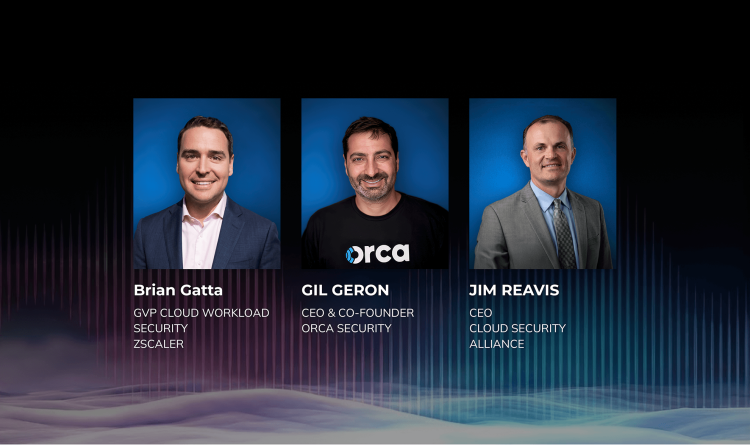
AI on Both Sides: Key Takeaways From Cloud Security LIVE 2026
AI security splits into two conversations: stopping attackers who use AI, and using AI to defend faster. At Cloud Security...


AI security splits into two conversations: stopping attackers who use AI, and using AI to defend faster. At Cloud Security...
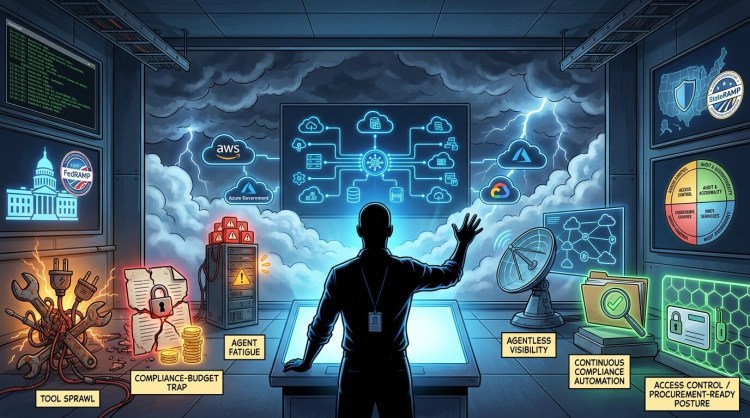
Affordable government cloud security means meeting NIST SP 800-53, CISA’s Binding Operational Directives (BOD), and compliance mandates without exceeding constrained...
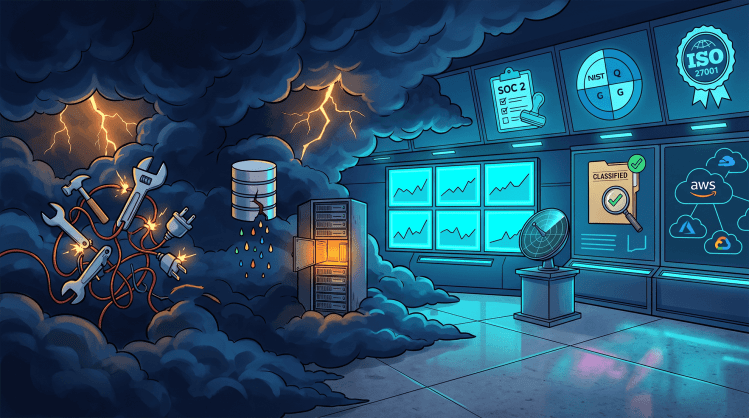
An executive cloud risk dashboard is a real-time visual interface that consolidates security posture, compliance status, and risk severity data...

Key Takeaways An AI agent runtime is the execution layer that runs agents in production: it isolates their code, scales...

Key Takeaways A Data Security Posture Management (DSPM) tool continuously finds, classifies, and monitors sensitive data across your cloud, then...

The Open Web Application Security Project (OWASP) API Security Top 10 focuses on understanding and mitigating vulnerabilities and security risks...

Key Takeaways An AI Security Posture Management (AI-SPM) tool discovers your whole AI footprint, including shadow AI, assesses how it...
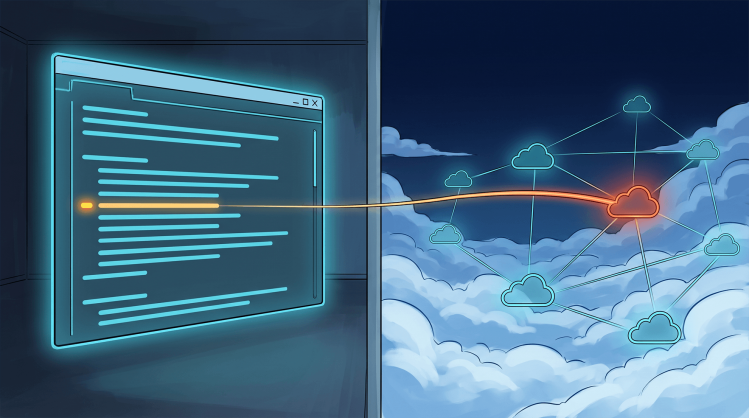
Key Takeaways Teams often evaluate ASPM vs CNAPP as two competing purchases. They solve different halves of the same problem:...

Key Takeaways Post-quantum cryptography (PQC) is the practice of adopting encryption algorithms that can withstand attacks from quantum computers, which...

Personalized Demo
Gain visibility, achieve compliance, and prioritize risks with the Orca Cloud Security Platform.
Chat with Us
Gain visibility, achieve compliance, and prioritize risks with the Orca Cloud Security Platform.
No Slack account required.

 Chat with an Orca Expert