


Cloud Security Fundamentals
Maturity Assessment: Benchmark Organizational Growth
Key Takeaways A maturity level typically reflects how systematically and repeatably a capability is performed, rather than how well it...


Key Takeaways A maturity level typically reflects how systematically and repeatably a capability is performed, rather than how well it...

Key Takeaways An attack surface consists of the points and paths through which an attacker could interact with a system....
Key Takeaways Compliance automation turns a written control into a scheduled test. Software collects the evidence, checks it against the...

Key Takeaways Incident automation is a set of separately approvable steps, not one switch. Enrichment and routing carry most of...

Key Takeaways A migration changes where a workload runs. A transformation changes how the organization builds and operates it, and...
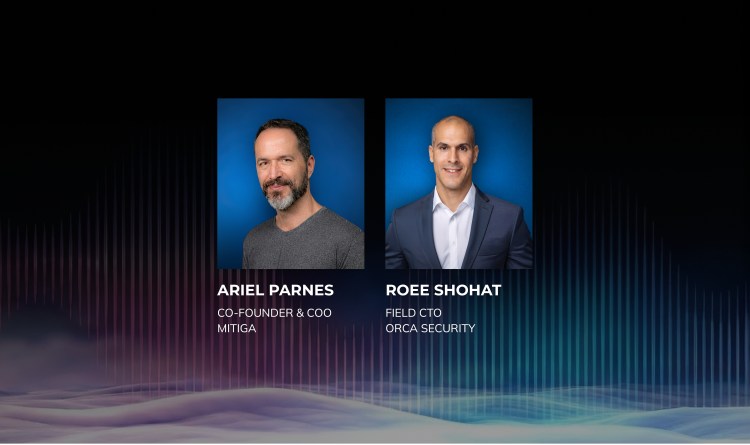
Most security programs still measure success by counting blocked attacks. At Cloud Security LIVE 2026, Ariel Parnes, Co-Founder at Mitiga,...

Key Takeaways Vulnerability prioritization is a decision procedure, not a score. It orders remediation work against the capacity a team...

Introduction On 7 July 2026, Claudia Buch, Chair of the ECB's Supervisory Board, sent a letter to the CEO of...

Key Takeaways Sensitive data discovery locates the stores holding regulated or confidential data across a cloud estate, including the ones...

Personalized Demo
Gain visibility, achieve compliance, and prioritize risks with the Orca Cloud Security Platform.
Chat with Us
Gain visibility, achieve compliance, and prioritize risks with the Orca Cloud Security Platform.
No Slack account required.

 Chat with an Orca Expert