


Data and AI Security
Agentic Workflows: A Complete Guide for 2026
Key Takeaways An agentic workflow is an automated process in which a model selects the next step while the process...


Key Takeaways An agentic workflow is an automated process in which a model selects the next step while the process...
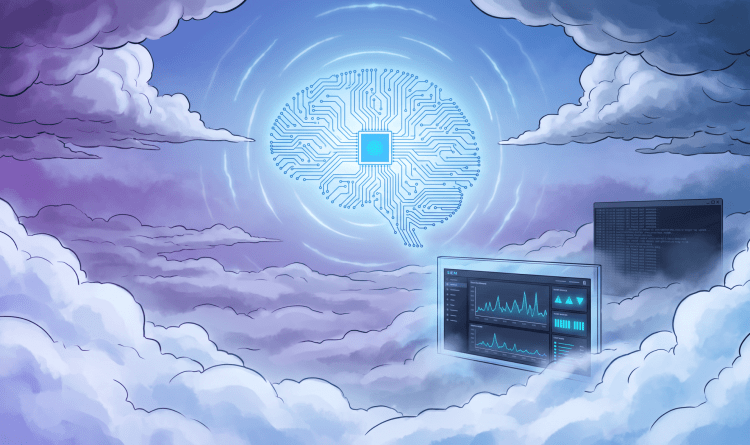
Key Takeaways An autonomous SOC is a position on a scale of transferred decisions, rather than a product state a...
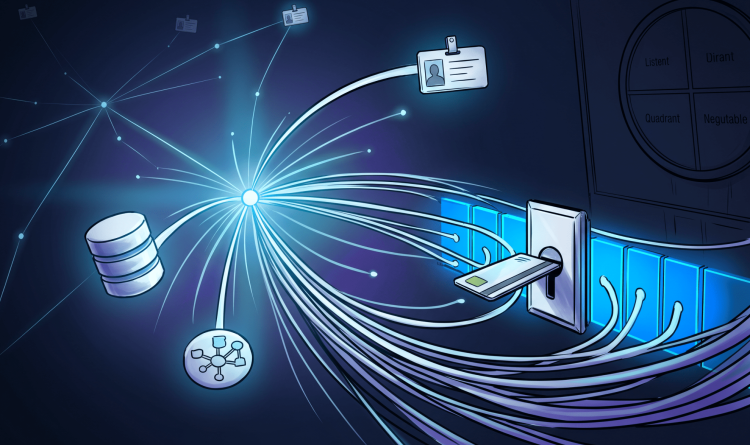
Key Takeaways SOC automation hands a defined alert-handling task to software that runs it on a stated trigger, under a...
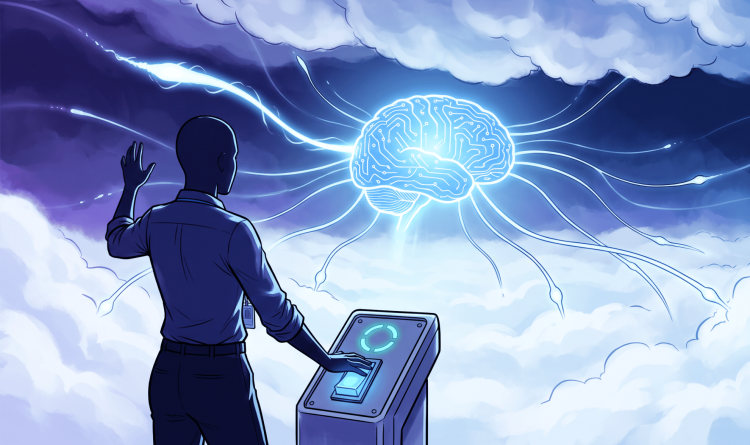
Key Takeaways Agentic AI security governs what a sequence of autonomous steps may reach, because the system keeps deciding between...
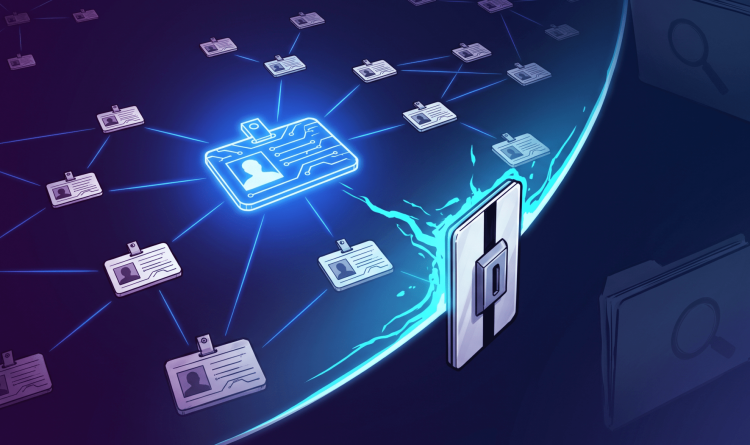
Key Takeaways Securing an AI agent means bounding what one identity can reach, because the agent picks its next tool...
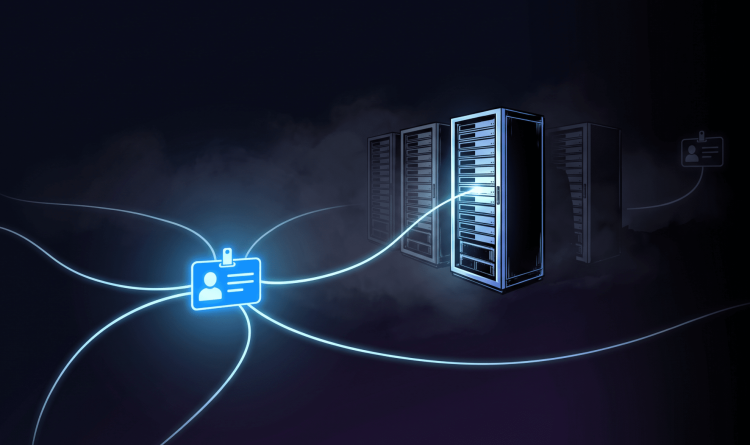
Key Takeaways Shadow AI now includes standalone agents running on user devices and unregistered model endpoints in cloud accounts, not...
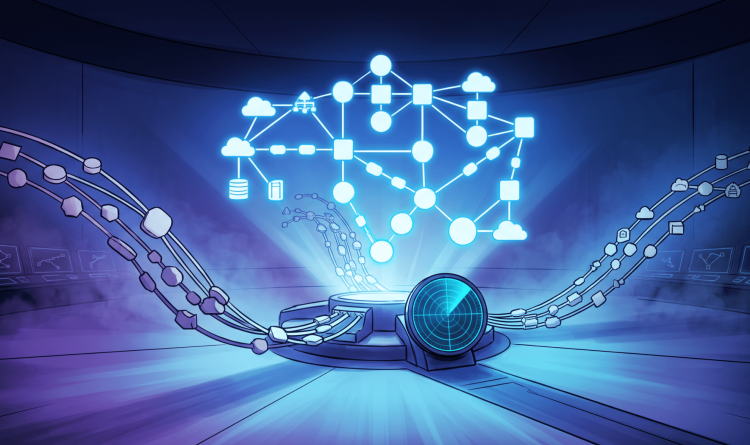
Key Takeaways Cloud infrastructure security protects the compute, network, identity, storage, and control-plane layer beneath your applications and data. Where...
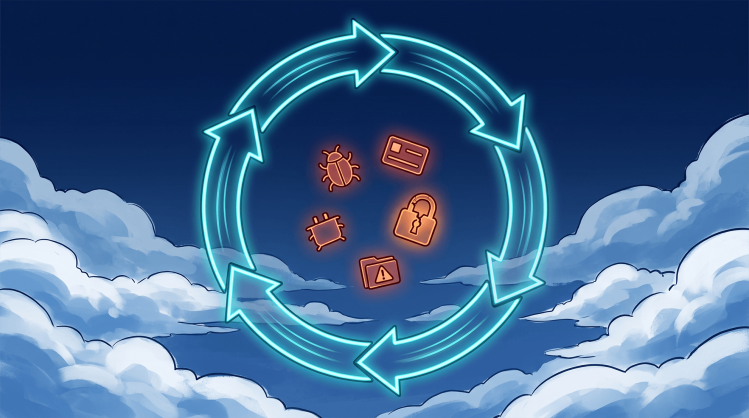
Key Takeaways The lifecycle runs in six phases: asset discovery, vulnerability assessment, risk-based prioritization, remediation, verification and rescanning, and reporting...
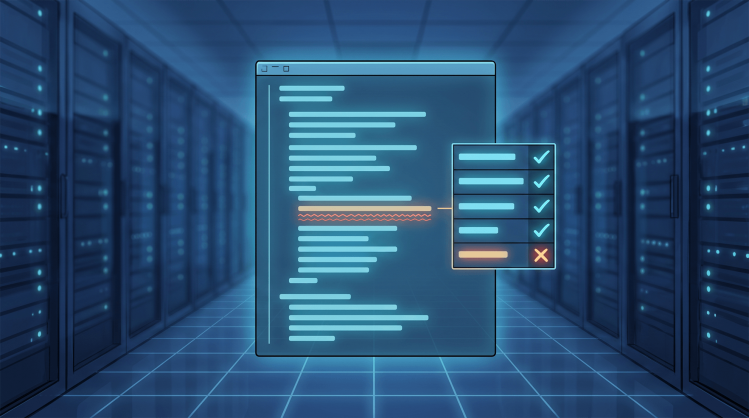
Key Takeaways An application security framework is a published structure you adopt, apply to your software, and get measured against....

Personalized Demo
Gain visibility, achieve compliance, and prioritize risks with the Orca Cloud Security Platform.
Chat with Us
Gain visibility, achieve compliance, and prioritize risks with the Orca Cloud Security Platform.
No Slack account required.

 Chat with an Orca Expert