



Table of contents
- Navigating the Complexities of Kubernetes Security
- Embracing a Unified Platform Approach
- Securing the Development Lifecycle
- Ensuring Traceability in Cloud Operations
- Leveraging Kubernetes Security Posture Management (KSPM)
- Automating Compliance and Elevating Security
- Efficient Risk Prioritization and Remediation
- Conclusion
In the intricate world of cloud-native technologies, Kubernetes stands as a formidable force, reshaping the way applications are managed and scaled in the cloud. However, its very complexity requires a nuanced approach to security. In our recent session at the SANS Kubernetes & CNAPP Forum, we explored essential strategies for fortifying Kubernetes environments, ensuring that organizations remain resilient amidst evolving threats. Below we share the recording, as well as the distilled insights of our discussion.
Navigating the Complexities of Kubernetes Security
Kubernetes presents both tremendous opportunities and challenges. Its comprehensive nature, which includes the master control plane, worker nodes, service accounts, and secrets management, dictates that security practices must be holistic. The task is not merely locking down runtime environments, but extending protections throughout the orchestration ecosystem. This complexity is compounded by the interconnectedness of various components, necessitating a robust, all-encompassing security strategy.
Embracing a Unified Platform Approach
One foundational principle of effective Kubernetes security is adopting a platform-centric strategy. Instead of relying on disparate point solutions that can lead to fragmented visibility, organizations benefit from integrating security tools into a centralized platform. This integration fosters a cohesive view of vulnerabilities, compliance, and identity management, empowering organizations to maintain a fortified security stance.
Securing the Development Lifecycle
Security should not be an afterthought but rather an integral part of the development lifecycle. Emphasizing Infrastructure as Code (IaC) security allows teams to preemptively identify misconfigurations or vulnerabilities. By embedding security directly into the pipeline and leveraging AI-driven tools, organizations can automatically resolve potential issues before they infiltrate production environments.
Continuous container image scanning is another critical practice underscored during the webinar. Proactively identifying outdated libraries and vulnerabilities enables setting protective guardrails. Furthermore, implementing pre-commit hooks and scanning for embedded secrets ensures that sensitive data remains protected from exposure.
Ensuring Traceability in Cloud Operations
Traceability emerged as a key theme in our discussion—specifically, the ability to connect cloud operation data back to the development stage. This linkage is crucial for tracing vulnerabilities from production environments back to their IaC origins, thereby addressing root causes and preventing recurrence. It fundamentally supports consistency and security across all deployments.
Leveraging Kubernetes Security Posture Management (KSPM)
KSPM solutions empower organizations to effectively visualize and manage Kubernetes clusters across various environments. Adhering to best practices and evaluating the security of control planes are vital steps in safeguarding against potential threats. Additionally, KSPM facilitates simplified compliance processes, enabling centralized oversight of Kubernetes security measures.
Automating Compliance and Elevating Security
The automation of compliance is crucial within modern security frameworks. Integrating data through comprehensive solutions, like Orca Security’s CNAPP, streamlines compliance monitoring and reporting. This automation diminishes the burden of manual data aggregation, allowing teams to focus on enhancing their security posture.
Efficient Risk Prioritization and Remediation
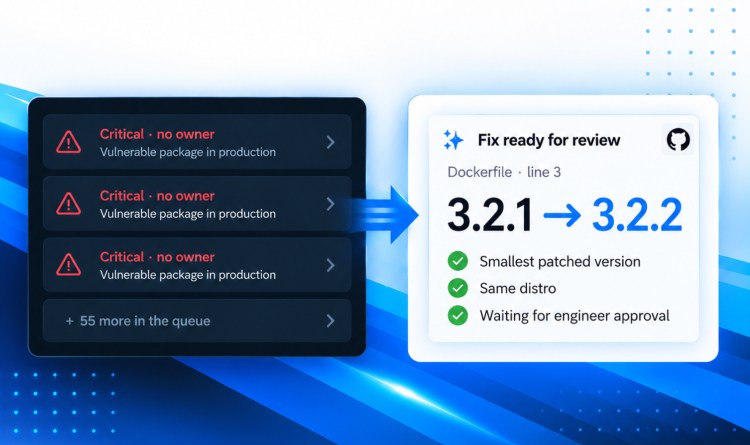
The ability to effectively prioritize risks significantly influences security outcomes. Understanding the intricacies of vulnerabilities—such as external exposure, CVSS ratings, and reachability—enables strategic and efficient remediation efforts. AI-driven insights play an instrumental role in facilitating rapid and accurate vulnerability resolutions.
Conclusion
Embarking on the journey of Kubernetes Security demands a multifaceted approach. With an emphasis on platform integration, lifecycle security, and advanced tooling, organizations can confidently protect their Kubernetes environments. These insights underscore the need for a comprehensive, integrated approach to security—one that remains agile and adaptive in face of emerging challenges.
To see how Orca Security can help you address these challenges, schedule a personalized 1:1 demo.
Table of contents
- Navigating the Complexities of Kubernetes Security
- Embracing a Unified Platform Approach
- Securing the Development Lifecycle
- Ensuring Traceability in Cloud Operations
- Leveraging Kubernetes Security Posture Management (KSPM)
- Automating Compliance and Elevating Security
- Efficient Risk Prioritization and Remediation
- Conclusion





 Chat with an Orca Expert