


Cloud Security Insights
Autonomous SOC: AI-Driven Security Operations Explained
Key Takeaways An autonomous SOC is a position on a scale of transferred decisions, rather than a product state a...


Key Takeaways An autonomous SOC is a position on a scale of transferred decisions, rather than a product state a...

Key Takeaways The lifecycle runs in six phases: asset discovery, vulnerability assessment, risk-based prioritization, remediation, verification and rescanning, and reporting...
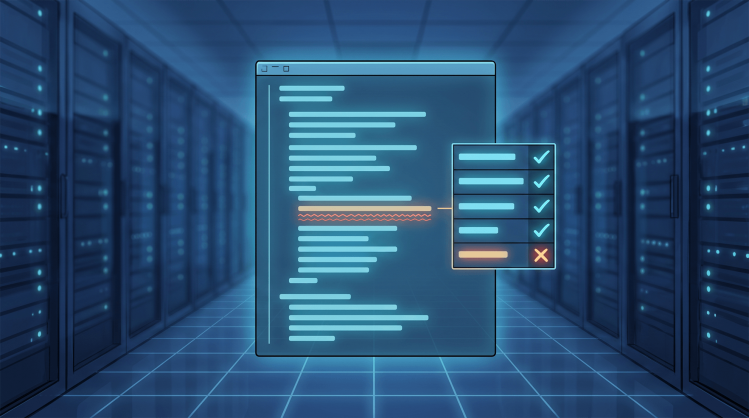
Key Takeaways An application security framework is a published structure you adopt, apply to your software, and get measured against....
Key Takeaways AI AppGen security covers applications generated by AI app builders and deployed outside traditional development pipelines. The primary...

Key Takeaways A vulnerability scanner is a detection engine, not a program. It finds flaws in a specific class of...

Key Takeaways A cloud security control has four attributes: a function, a class, an owner, and an evidence source. A...
Key Takeaways AI guardrails are runtime controls at three points: the prompt going in, the response coming out, and the...

Many security teams adopted Tenable for network and infrastructure vulnerability management, and it still does that job well. But as...
When your vulnerability findings are scattered across InsightVM, InsightCloudSec, InsightIDR, and Exposure Command, the real problem isn't any single product....